

Twenty-five years ago, on September 11, 2001, nearly 3,000 people lost their lives in attacks that forever changed families, communities and a nation.
September 11 is, first and foremost, a day of remembrance. We remember those who were lost, those who responded, and the countless people whose lives were permanently altered by the events of that day.
For those of us who work in travel, it is also impossible to look back on September 11 without recognizing how profoundly it not only changed our world, but also our entire industry.
There is a distinct “before” and “after” in modern air travel. Procedures that travelers now consider routine—from federal airport screening to reinforced cockpit doors—were born from an unprecedented reassessment of how people move through the world and how the industry protects them along the way. But the impact extended far beyond the airport. September 11 also brought greater urgency to questions of duty of care: how organizations account for their travelers, communicate during a crisis and provide support when the unexpected happens. In the years since, those responsibilities have become a defining part of modern travel management.
Twenty-five years later, the legacy of September 11 can still be seen every time we enter an airport, board an aircraft or prepare a traveler for a journey.
Before September 11
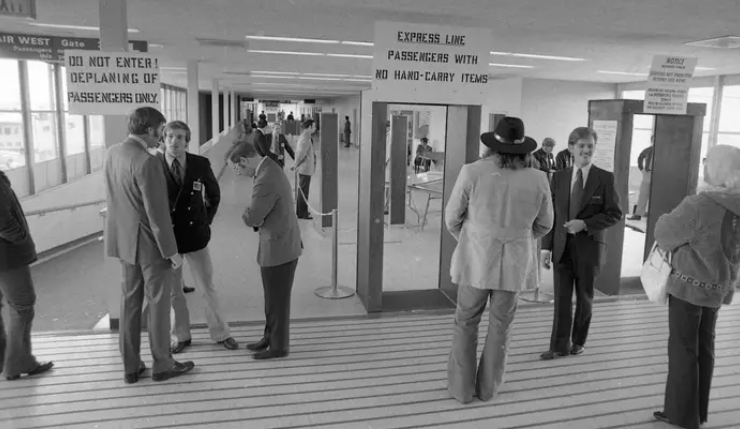
For travelers today, some aspects of pre-9/11 air travel can be difficult to imagine.
Airport security existed, but the system looked very different. Passenger screening at U.S. airports was generally conducted by private contractors working for airlines rather than by a federal security agency. Aviation security strategy was also shaped by decades of earlier hijackings, when the prevailing assumption was that a hijacker would make demands and ultimately seek to land the aircraft rather than use it as a weapon.
The 9/11 Commission later found significant weaknesses in the aviation security system that existed at the time. Among them were limitations in passenger watchlisting, screening procedures, cockpit security and the ability of different government agencies to share and act upon intelligence.
The attacks of September 11 shattered many of the assumptions upon which that system had been built.
What followed was one of the most significant transformations in the history of commercial aviation.
A New Era of Airport Security
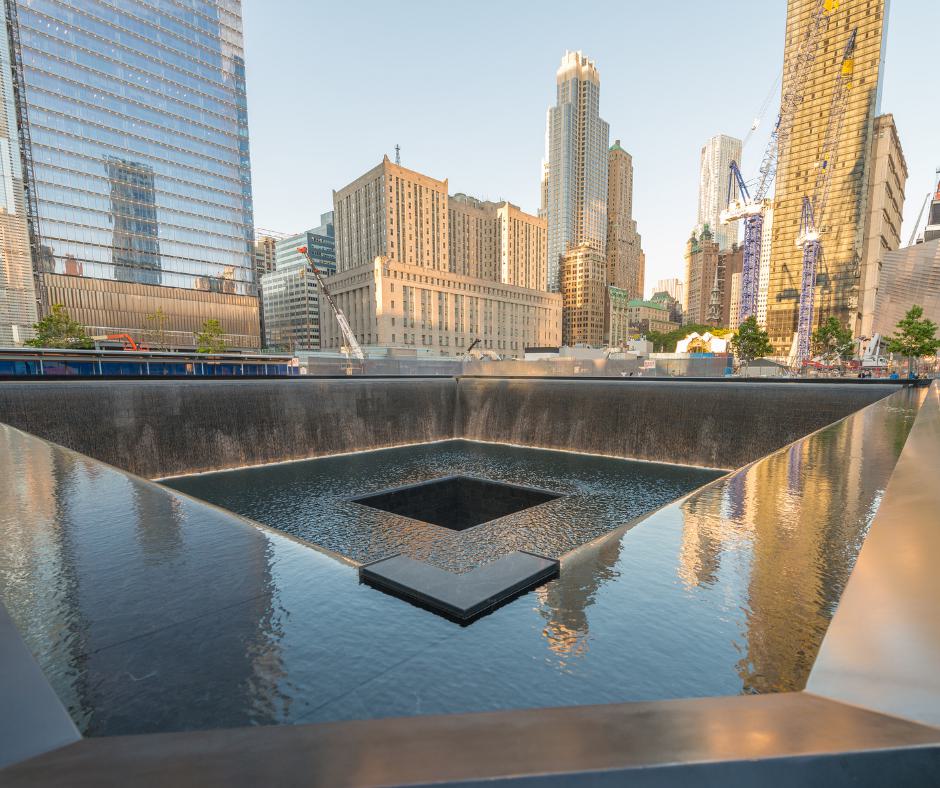
Just 69 days after the attacks, the Aviation and Transportation Security Act was signed into law on November 19, 2001, formally creating the Transportation Security Administration.
Responsibility for passenger and baggage screening shifted to the federal government, and TSA was tasked with building an entirely new security infrastructure across the nation's transportation system. Within roughly a year, tens of thousands of federal screeners had been deployed at hundreds of commercial airports.
The changes extended far beyond who staffed airport checkpoints.
Checked baggage became subject to explosive-detection screening. Federal Air Marshal operations expanded. Passenger screening and watchlist procedures evolved. Airport security technology became increasingly sophisticated.
The physical aircraft changed as well.
Congress required improved flight-deck security, and the FAA subsequently established requirements strengthening cockpit doors against forcible intrusion and requiring them to remain locked during flight.
Over time, additional security measures continued to evolve as authorities responded to new threats and new information.
To today's frequent traveler, security checkpoints, identification requirements, baggage screening and restricted cockpit access are simply part of flying. In 2001, however, the system Americans recognize today did not yet exist.
Travel Became About More Than Getting From Point A to Point B
Some of the most important changes following September 11 are less visible.
For companies whose employees travel, the question of how to manage travel became increasingly intertwined with another question:
Where are our people, and how can we help them when something happens?
That responsibility extends well beyond terrorism.
A traveler can be affected by severe weather, political unrest, a transportation shutdown, a natural disaster, a medical emergency or an unexpected border closure. A disruption thousands of miles away can suddenly become an employer's responsibility when an employee is caught in the middle of it.
Over the past 25 years, corporate travel programs have increasingly developed around that reality.
Traveler tracking, emergency communications, risk intelligence, centralized itineraries and clearly defined travel policies have become important elements of modern travel management. Technology has dramatically improved the industry's ability to identify affected travelers and communicate with them quickly.
But perhaps the greatest change is philosophical.
Managing business travel is no longer simply about arranging transportation.
It is also about managing responsibility.
Twenty-Five Years Later
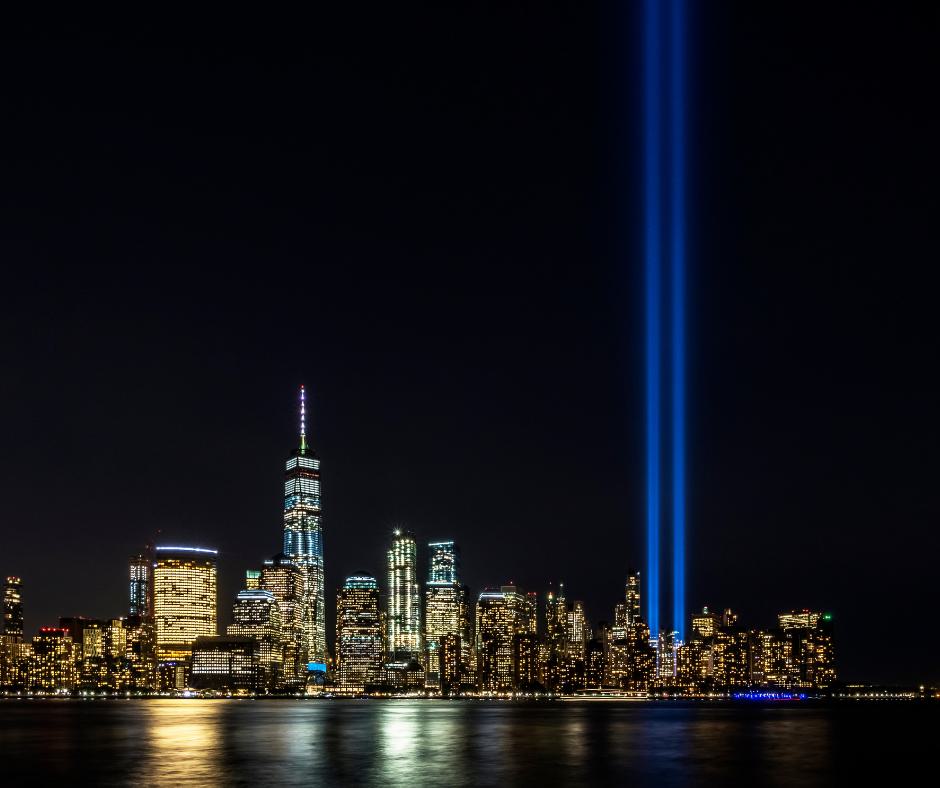
For many travelers under the age of 30, today's aviation security environment is the only one they have ever known.
For others, the contrast is unmistakable.
The systems surrounding modern travel—airport screening, aircraft security, traveler identification, risk management, emergency communication and corporate duty of care—were shaped in significant ways by what happened on September 11, 2001.
The industry has continued to evolve since then. New technology has changed how trips are booked. Mobile tools have changed how travelers receive information. Data allows organizations to understand where travelers are and anticipate disruptions in ways that would have seemed impossible a generation ago.
Yet the central responsibility remains remarkably simple.
Take care of the traveler.
On the 25th anniversary of September 11, we remember the lives lost and the people whose courage, service and sacrifice defined that day and its aftermath.
And as members of the travel industry, we also recognize a responsibility that has become increasingly important in the years since: to help people move through the world as safely, thoughtfully and confidently as possible.
Because behind every itinerary is a person.
And getting them where they are going has never been the only thing that matters.